The History of Words by E. G. Kovalevskaya as a model of popular science writing
DOI:
https://doi.org/10.33910/1992-6464-2025-215-180-187Keywords:
science popularization, popular science style, history of words, etymology, book for students, E. G. KovalevskayaAbstract
This article examines E. G. Kovalevskaya’s book The History of Words (1968) as an exemplary work of popular science writing in linguistics. The analysis highlights key principles of effective scientific popularization, all of which are fully realized in the book: clarity and precision of the author’s concept, rigorous adherence to scientific facts, time-relevance of the material, and careful consideration of the target audience. Despite the passage of time, The History of Words remains scientifically relevant and continues to serve as a benchmark for contemporary popularizers of linguistic knowledge.
References
ИСТОЧНИК
Ковалевская, Е. Г. (1968) История слов. М.; Л.: Просвещение, 144 с.
СПИСОК ЛИТЕРАТУРЫ
Большакова, В. О. (2023) Место научно-популярных текстов в системе функциональных стилей современного русского языка. Вестник Нижегородского университета им. Н. И. Лобачевского, № 1, с. 169–173. https://doi.org/10.52452/19931778_2023_1_169
Венгер, В. В. Макеева, С. О. (2024) Популяризация лингвистики: методы и рекомендации. Вестник Шадринского государственного педагогического университета, № 2 (62), с. 100–106. https://doi.org/10.52772/25420291_2024_2_100
Гришечкина, Г. Ю. (2016) Научно-популярный стиль и его категориальные характеристики. Вопросы когнитивной лингвистики, № 1 (46), с. 101–108. https://doi.org/10.20916/1812-3228-2016-1-101-108
Зализняк, А. А. (2023) Из заметок о любительской лингвистике. М.: Альпина нон-фикшн, 208 с.
Кириченко, Н. В. (2019) Научно-популярный подстиль. В кн.: М. Н. Кожина (ред.). Стилистический энциклопедический словарь русского языка. М.: Флинта; Наука, с. 236–242.
Ковалевская, Е. Г. (2012) Избранное. 1963–1999. СПб.; Ставрополь: Изд-во Ставропольского государственного университета, 687 с.
Лазаревич, Э. А. (1978) Искусство популяризации науки. М.: Наука, 224 с.
Полищук, Г. Г. (1977) Приемы научно-популярного изложения. М.: Знание, 36 с.
Сикорский, Н. М. (ред.). (1987) Редактирование отдельных видов литературы. М.: Книга, 396 с.
Сухачев, Н. Л., Приемышева, М. Н. (2015) У истоков «научного детектива». Русский язык в школе, № 6, с. 80–84.
Чутчева, А. В., Витвинчук, В. В., Лаврищева, М. С. (2021) Трансформация просветительской журналистики в условиях функционирования новых медиа. Меди@льманах, № 2 (103), с. 14–24. https://doi.org/10.30547/mediaalmanah.2.2021.1424
Шкловский, В. Б. (1985) Ираклий Андроников рассказывает... В кн.: В. Б. Шкловский. За 60 лет. Работы о кино. М.: Искусство, с. 278–281.
SOURCES
Kovalevskaya, E. G. (1968) Istoriya slov [The History of Words]. Moscow; Leningrad: Prosveshhenie Publ., 144 p. (In Russian)
REFERENCES
Bol’shakova, V. O. (2023) Mesto nauchno-populyarnykh tekstov v sisteme funktsional’nykh stilej sovremennogo russkogo yazyka [The position of popular texts about science in the system of functional styles of the modern Russian language]. Vestnik Nizhegorodskogo universiteta im. N. I. Lobachevskogo — Vestnik of Lobachevsky University of Nizhni Novgorod, no. 1, pp. 169–173. https://doi.org/10.52452/19931778_2023_1_169 (In Russian)
Chutcheva, A. V., Vitvinchuk, V. V., Lavrishcheva, M. S. (2021) Transformatsiya prosvetitel’skoj zhurnalistiki v usloviyakh funktsionirovaniya novykh media [The transformation of educational journalism in the context of the functioning of new media]. Medi@lmanakh, no. 2 (103), pp. 14–24. (In Russian) https://doi.org/10.30547/mediaalmanah.2.2021.1424
Grishechkina, G. Yu. (2016) Nauchno-populyarnyj stil’ i ego kategorial’nye kharakteristiki [Scientific-popular text and its categorical characteristics]. Voprosy kognitivnoj lingvistiki — Issues of Cognitive Linguistics, no. 1 (46), pp. 101–108. https://doi.org/10.20916/1812-3228-2016-1-101-108 (In Russian)
Kirichenko, N. V. (2019) Nauchno-populyarnyj podstil’ [The popular science substyle]. In: Kozhina, M. N. (ed.) Stilisticheskij entsiklopedicheskij slovar’ russkogo yazyka [Stylistic encyclopedic dictionary of the Russian language]. Moscow: Flinta Publ.; Nauka Publ., pp. 236–242. (In Russian)
Kovalevskaya, E. G. (2012) Izbrannoe, 1963–1999 [Selected Works, 1963–1999]. Saint Petersburg; Stavropol’: Stavropol State University Publ., 687 p. (In Russian)
Lazarevich, E. A. (1978) Iskusstvo populyarizatsii nauki [The Art of Popularizing Science]. Moscow: Nauka Publ., 224 p. (In Russian)
Polishchuk, G. G. (1977) Priemy nauchno-populyarnogo izlozheniya [Techniques of popular science presentation]. Moscow: Znanie Publ., 36 p. (In Russian)
Shklovskij, V. B. (1985) Iraklij Andronikov rasskazyvaet... [Irakli Andronikov speaks…]. In: V. B. Shklovskij. Za 60 let. Raboty o kino [Over 60 Years. Works on Cinema]. Moscow: Iskusstvo Publ., pp. 278–281. (In Russian)
Sikorskij, N. M. (ed.). (1987) Redaktirovanie otdel’nykh vidov literatury [On editing specific literary genres]. Moscow: Kniga Publ., 396 p. (In Russian)
Sukhachev, N. L., Priemysheva, M. N. (2015) U istokov «nauchnogo detektiva» [At the origins of the “scientific detective” genre]. Russkij yazyk v shkole — Russian Language at School, no. 6, pp. 80–84. (In Russian)
Venger, V. V. Makeeva, S. O. (2024) Populyarizatsiya lingvistiki: metody i rekomendatsii [Popularization of linguistics: Methods and recommendations]. Vestnik Shadrinskogo gosudarstvennogo pedagogicheskogo universiteta — Journal of Shadrinsk State Pedagogical University, no. 2 (62), pp. 100–106. https://doi.org/10.52772/25420291_2024_2_100 (In Russian)
Zaliznyak, A. A. (2023) Iz zametok o lyubitel’skoj lingvistike [Notes on Amateur Linguistics]. Moscow: Al’pina non-fikshn Publ., 208 p. (In Russian)
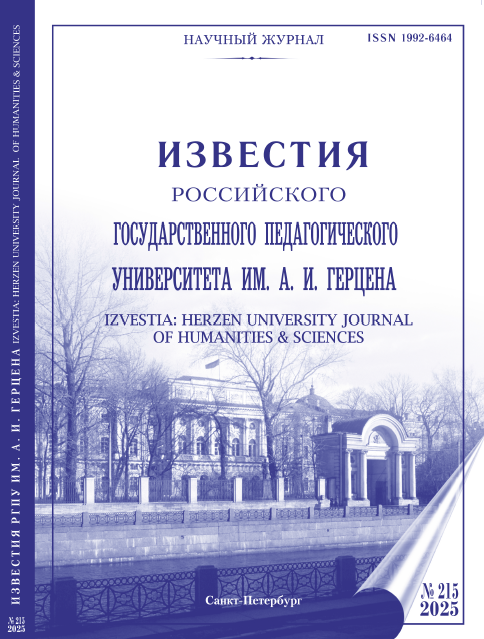
Downloads
Published
Issue
Section
License
Copyright (c) 2025 Валерий Анатольевич Ефремов (Автор)

This work is licensed under a Creative Commons Attribution 4.0 International License.
The work is provided under the terms of the Public Offer and of Creative Commons public license Creative Commons Attribution 4.0 International (CC BY 4.0).
This license permits an unlimited number of users to copy and redistribute the material in any medium or format, and to remix, transform, and build upon the material for any purpose, including commercial use.
This license retains copyright for the authors but allows others to freely distribute, use, and adapt the work, on the mandatory condition that appropriate credit is given. Users must provide a correct link to the original publication in our journal, cite the authors' names, and indicate if any changes were made.
Copyright remains with the authors. The CC BY 4.0 license does not transfer rights to third parties but rather grants users prior permission for use, provided the attribution condition is met. Any use of the work will be governed by the terms of this license.